
Clean Room
Clean room, Comprehensive thinkers of Iranian industry
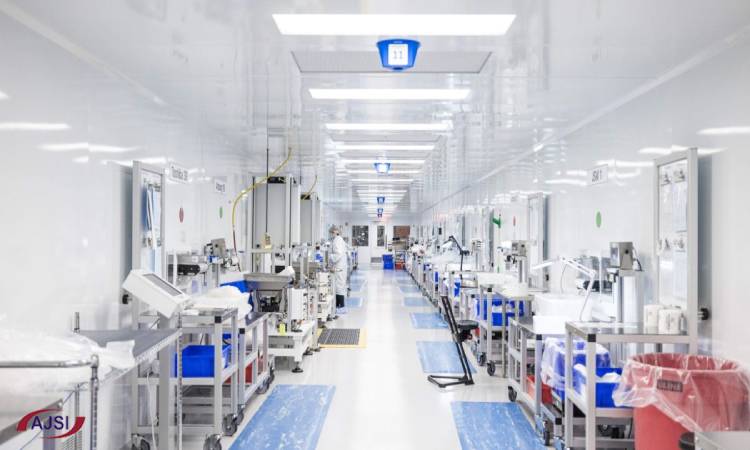
Andishegaran Comprehensive Iranian Industry Company :It is a clean room manufacturer that designs and Build a clean room (clean room) And dependent equipment, using specialized, experienced and knowledgeable personnel in the pharmaceutical, food, health and biotechnology industries, tries to deliver high quality projects to the level of global standards by using the latest methods and the latest standards.. Why the comprehensive thinkers of Iranian industry? The company employs specialized personnel. Experienced and knowledgeable in the pharmaceutical and food industries and biotechnology tries to use the latest Methods and the latest standards, high quality projects and delivered…

Andishegaran Comprehensive Iranian Industry Company was established in 2008 with the aim of improving the technological level and expanding and developing scientific and specialized knowledge in the field of industrial projects, including all its components, and implementation and construction of industrial standards in the fields of pharmaceutical, chemical, biotechnology and food industries..

Andishegaran Jameh Sanat Iranian Company has been able to obtain the representation of reputable foreign companies by providing technical and engineering consulting services, basic and detailed design and transfer of technical knowledge of industrial automation systems, food industry, pharmaceutical health industries, design and holding foreign and domestic seminars and conferences. It became a well-known brand in the country and the region.

During this period, the company succeeded in obtaining a validation certificate, GMP, a letter of appreciation from the Ministry of Treatment and Medical Education, a new pharmaceutical composition process and teaching the principles of the new pharmaceutical composition process, and won the first rank in the country..
Project for Clean Room of Cyans Pharmaceutical Company
Project for Clean rooms of Iran Halal Gelatin Company
Project for Clean Room of Vala Andishan Company
Actro Company Quality Assurance Project
Clean room quality assurance project of Amineh Gostar Company
Clean Room Equipment of Saf Rahe Bina Company
Clean Room Equipment of Natanz Project
Clean Room Equipment of Bayer Aflak Pharmaceutical Company
Factory Design Project of Farbiosan Pharmaceutical Company
Factory Design Project of Caspian Seif Daroo Company
Clean room Factory Design and Clean Rooms Project of Rojin Pharmaceutical
Design Production Line of Bu Ali Pharmaceutical Research Institute
Construction and Commissioning of Facilities of Farbiusan Pharmaceutical Company
So what’s the secret? Pressurized rooms!
There are two types of pressurized rooms: negative and positive. Both are used in hospitals and cleanrooms, but we’ve seen a massive increase in the use and demand of negative pressure rooms during the pandemic.
Negative Pressure Rooms
In a negative pressure room, the air inside the room is kept at a lower pressure than the air outside the room. Since the atmosphere seeks to stay in equilibrium, when the door is opened, the air rushes into the room to try to equalize the pressure. Thus, all the germs are kept inside the room!
In cleanrooms, we will occasionally see negative pressure used, although positive pressure is more common. We will use negative pressure when we have to keep contaminants inside the cleanroom. This can be applicable in some pharmaceutical and laboratory applications where the contents being studied could be harmful outside of the cleanroom.
We usually recommend some form of anteroom for gowning and safely moving in and out of the room. This anteroom would also serve the purpose of helping to equalize pressure without allowing air to rush into the cleanroom, carrying in contaminants.
How Are Negative Pressure Rooms Used To Fight COVID-19?
Negative pressure rooms are not just used to combat COVID-19 spreading in hospitals, but are a common practice when a patient has a highly infectious disease. These illnesses can include measles, tuberculosis, SARS, MERS, COVID-19, and more.
These negative pressure rooms are often called “isolation rooms”. Since the air rushes into the room when a door is opened, the germs all stay inside the room with the patient. Typically, when a patient is kept in a negative pressure room, their illness is more dangerous to the outside world than outside germs are to them. Thus, it’s important to protect the staff and other patients from breathing the same air as the sick patient.
The air in these rooms is monitored and regularly changed. The CDC recommends changing the air 12 times per hour. When the air leaves the room, it must go through a HEPA filter before recirculating throughout the hospital.
Many hospitals had some negative pressure rooms before the pandemic, but COVID-19 forced hospitals to hastily build more. As we see surging numbers, the demand for these rooms has skyrocketed, but we simply cannot build them fast enough.
The hospitals are pairing negative pressure rooms with a positive pressure portable anteroom. This anteroom allows staff to safely put on personal protective equipment (PPE) before entering the room.
This piece of cleanroom technology, though, has been instrumental – especially at the start of the pandemic – for isolating COVID-19 patients to slow the spread.
Positive Pressure Rooms
Positive pressure rooms are the opposite of negative pressure rooms – and are a common piece of cleanroom technology. The air pressure inside the room is higher than the pressure outside the room. So when a door is opened, the air rushes outside of the room, carrying out particles and germs.
In hospitals, positive pressure rooms are used to protect critically ill and immunocompromised patients. Since the air is forced out through the door, there is too much pressure leaving the room for it to re-enter the room. The air is unable to recirculate, so it protects the patient from pathogens and germs from outside the room.
In this case, the patient needs more protection from what’s outside than the people on the outside need from the patient’s germs. As mentioned previously, though, positive pressure technology is also used in the antechambers for negative pressure rooms.
How Are Positive Pressure Rooms Used In Cleanrooms?
Positive pressure is a common technique used to control contaminants entering a cleanroom. All air entering a cleanroom should go through the proper filters and systems to make sure that as few particles as possible from the outside environment enter the cleanroom.
Thus, positive pressure is the optimal technique used to push the particles inside the cleanroom out of the room when a door is opened. This also makes it the optimal technique for pressurizing an anteroom.
Positive pressure cleanrooms are commonly used in several industries, including electronics, food processing, military and defense applications, automobiles, and more.
Cleanroom Technology Impacts Our Lives Everyday
Cleanroom technology simply epitomizes contamination control. Every day, we see and use contamination control, but COVID-19 has made this even more evident.
In cleanrooms, we see contamination control at a very strict level, with full gowning protocols, face coverings, filtered air, and strict regulations around what is allowed inside the cleanroom.
During the pandemic, we’ve seen contamination control in the frequent hand washing and sanitizing, face coverings, social distancing, and more.
What do both have in common? We are attempting to control particles!
Here at Lighthouse Worldwide Solutions, we are clean air and particle experts. Monitoring particles is what we do. We are dedicated to setting industry standards and best practices for developing cleanroom technology, monitoring particles, and keeping cleanrooms clean. To help you make the most of your cleanroom and keep up with industry best practices, we’ve put all our resources together in one spot.
ISO 14644
This standard determines the limits of air pollution and the number of suspended particles per cubic meter and helps manufacturers control their production environment.
HACCP and GMP standards
Implementing HACCP and GMP in the food industry cleanroom ensures that all production processes are carried out in accordance with safety and health principles and that health risks are reduced.
Monitoring requirements
The cleanroom must be under continuous supervision and periodic monitoring of air and environmental quality. This monitoring includes the measurement of suspended particles, microbial control and the measurement of environmental parameters.
In which parts of the food industry are cleanrooms used?
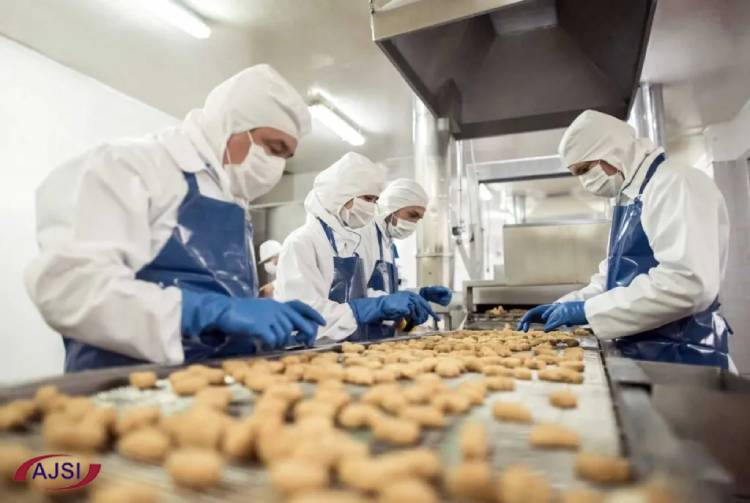
Cleanrooms are used in all sensitive parts of food industry production, from the preparation of raw materials to final packaging and quality control.
Sensitive production lines
In the production lines of products such as dairy, beverages, ready-to-eat foods and packaged products, the cleanroom ensures that the production environment is free of contamination.
Laboratories and Quality Control
Sampling and quality control tests require a clean environment to obtain accurate and reliable results. A clean room provides these conditions.
Packaging Section
In food packaging, a clean room prevents the entry of particles, dust and microbes and ensures the health of the product until it reaches the consumer.
Frequently Asked Questions about the Food Industry Clean Room
1. What is a food industry clean room?
A clean room is a controlled environment with low levels of suspended particles and microorganisms that is used to produce quality and safe food products.
2. Why does the food industry need a clean room?
Due to the sensitivity of food products and the risk of contamination, the use of a clean room is essential for quality control, product safety and waste reduction.
3. What are the standards for a food industry clean room?
Standards such as ISO 14644, HACCP and GMP have been defined for the design, monitoring and control of a food industry clean room to ensure product safety and quality.